Every other Wednesday, twenty of us chained and rustled like cattle, formed a motley crew. Destination; courthouse basement. We waited in bullpens, (large holding cells), as if in purgatory drowning in sweat, uncertainty, and fear. Not quite hell, not quite hope. We shared cold benches, bologna sandwiches with green edges, and an unspoken understanding that most of us would not be going home. It was better left unsaid. Words were weaponized against us, in the foreign language of reports and plea offers.
My own offer was thirty-eight years, suspended after thirty-three. My public defender leaned on rehearsed, dismissive phrases: "Open and shut case." "Slam dunk." "Take the deal." To me, hearing my life described as someone's "Slam Dunk" was outrageous. Egregious. Demeaning, as though I was losing my meaning.
I had not yet understood that words can save lives.
I searched for different words, writing poetry to free my mind. Words that offer physical freedom. I read statutes and cases. It was like learning a new language. Then, one day, I found a phrase that changed everything: A fatal variance, a lie so fundamental it kills the truth it tries to support.
Words mattered. Truth mattered. The law itself said so.
I copied statutes. I ordered transcripts. I laid everything in front of my public defender. Not anger. Not emotion. Just words, organized and undeniable.
His confidence cracked. I wondered if I blocked his "Slam Dunk."
My public defender dismissed it, claiming that the prosecutor said the books were outdated, inadmissible. I answered with their own language: All incarcerated persons are entitled to access proper law books to defend themselves. If the books were outdated, then that's a separate lawsuit that I will pursue. He went upstairs to speak to the prosecutor again. The offer came back transformed. From thirty-eight years down to five.
That night, lying awake in my cell, I realized that truth shaped into sentences was strong enough to stand up to power.
The fight for freedom doesn't end at release. Shortly after I came home, my children moved away. No address. No warning. I was free but lost. Clean, but empty. I didn't know why I was staying sober anymore. I only knew that words had once kept me alive, and I needed them again.
I went to an open mic. Creativity filled the air in this melting pot of interesting people from all walks of life. Everyone who read was heard. Not silenced, interrupted, or dismissed. I unfolded a piece of paper from my pocket and read. People approached me, and we had conversations about my poetry. I finally felt understood in this crazy world, this petri dish, this ball of confusion. I needed that connection as if it were oxygen.
I could breathe.
Poetry gave me a way to speak trauma without bleeding out. I learned that words don't just describe reality, they create it. The more I spoke life, the more life appeared. I found community. Artists. Activists. Teachers. People who believed that words could dismantle cages. I began to get paying gigs and performed at small venues around the country. I taught poetry inside the same jail where I once fought for my life. I watched men discover that they were more than their charges, more than their worst moments, more than the words that had once defined them.
"Give life to your words until your words become your life."
I became a member of The Blackout Arts Collective; a national group of artists and activists of color committed to abolishing the prison industrial complex. I learned to wield words with the care of a medic, applying them where the wounds of society run deepest. One of my major collaborative projects was co-writing What It iZ, a hip-hop and spoken word, prison abolitionist adaptation of the musical The Wiz. This production has been performed nationwide in both schools and prisons, amplifying the message of liberation and transformation through the power of art.
For eight years, I have taught poetry in the New Haven Public Schools as part of The Word initiative, fostering creative expression among young people. Additionally, I have served as the Poet in Residence for Connecticut Against Violence, bringing poetry and motivational speaking to nearly every school in Bridgeport for five years. In my interactions with students, I have always emphasized that mere existence is not enough; we must all seek out our passions and pursue them, even if only as hobbies. It is vital to feel pride in our pursuits, and when our actions contribute positively to the world, the rewards are shared by everyone.
I aim to help people reclaim their stories before the world tells them who they are. I build spaces where language heals instead of harms.
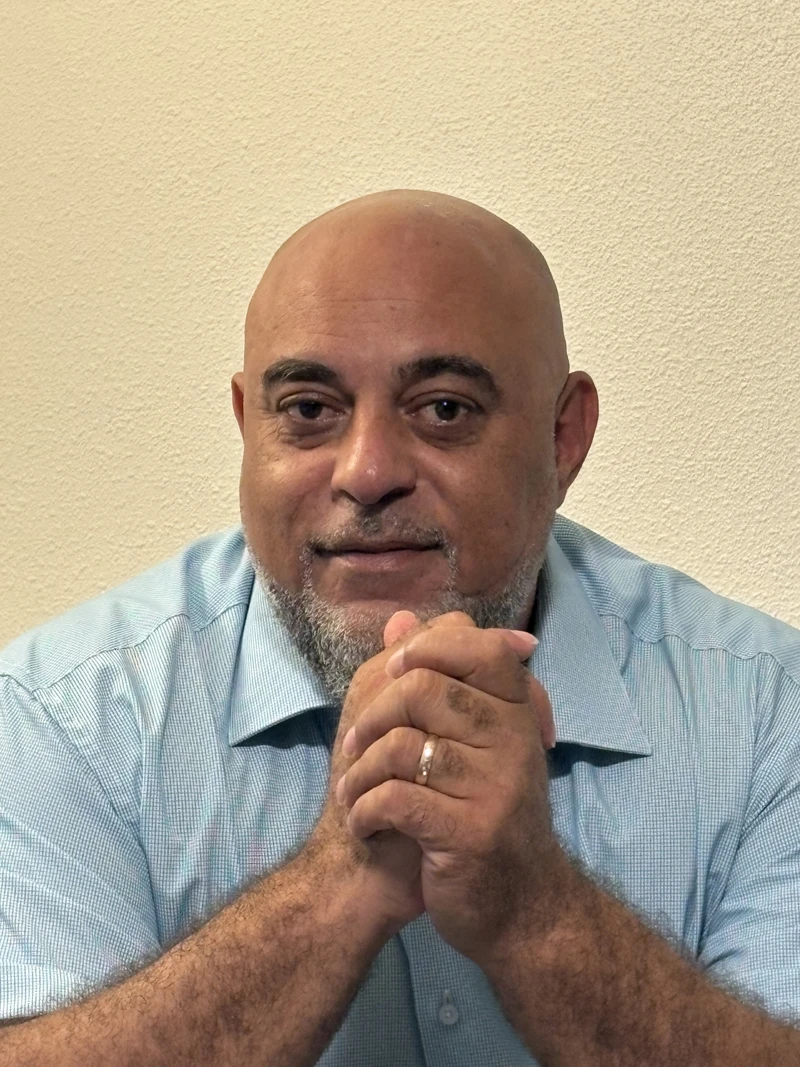
Jason "Jahsun" Dorsey is a poet, playwright, author, and teaching artist whose work transforms lived struggle into art that heals. Having navigated teenage homelessness and incarceration, he channels those experiences into poetry, theater, and storytelling. He is the author of three plays and a short story, "The Awakening of Moses," appearing in the forthcoming anthology Arts and Abolition. His memoir, Shades of Survival: A Poetic Life, chronicles his journey with the hope of inspiring new writers. Jason is also co-founder of The Critical X-change, a nonprofit using stories, poetry, and theater to empower youth impacted by the criminal justice system. He can be reached at jahsun117@gmail.com or jahsunpoet.com.