Sometime in the 1980s, a friend of mine had just been denied parole and was in need of an uplift. I thought of giving him a book to help take his mind elsewhere and chose Claude Brown’s Manchild in the Promised Land. I felt that reading Manchild following his denial would cut through the disappointment with something steadier and more defiant. Provide proof that despite missteps, life and growth continues even when it feels stalled.
I gave my friend Brown’s book years ago and my friend has since been released. Yet I’m sure the power of Manchild’s message still resonates with him, thereby underscoring literature’s power to become a lifeline. And if anyone reading these words would like to read Claude Brown’s words–whether you’re in need of a lifeline or just a good read–below is a brief description of what you’ll encounter.
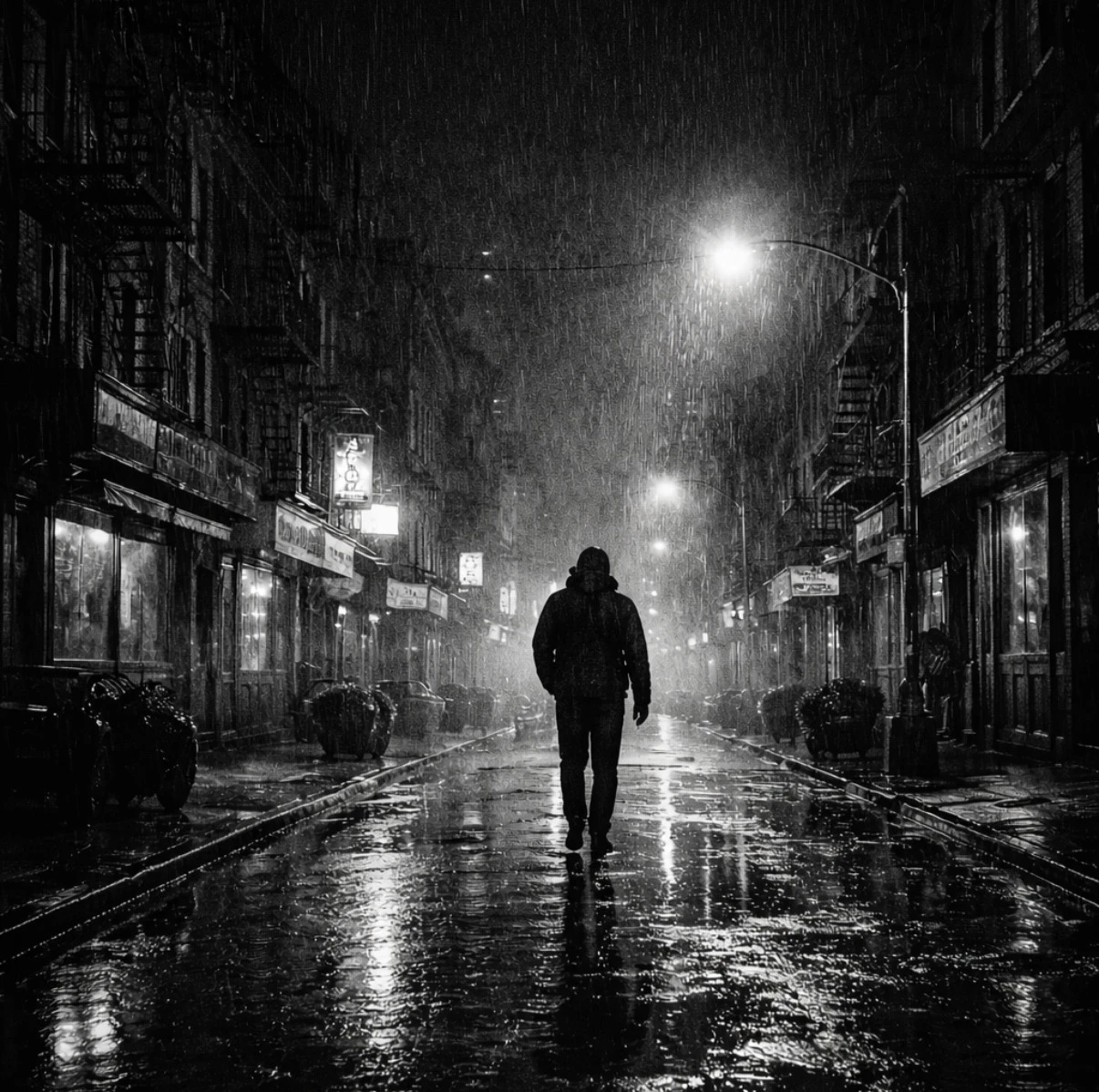
Hop on the D train out to Coney Island, Brooklyn, and when you hop off, take a stroll along the boardwalk. Stroll until you reach the funhouse. Step inside and sure as the day is long, you’ll find your reflection snatched up by floor to ceiling mirrors and distorted nine ways to Sunday. Life will sometimes throw a bit of distortion your way, too. Toss it like a stick of lit dynamite right at your feet. A good deal of Manchild is about sidestepping minefields. It’s also about a thousand rainy nights in Harlem where it feels like it’s raining all over the world. Sonny, the manchild, tells his story in a grainy black and white tone that is nothing but rough, rugged, and raw. Recites and delivers his story like a fire-and-brimstone church sermon laced with an unyielding strain of hope.
His story is the painful search for self and the quest to bring a good dream to life and sustain it. Yet dreams die hard in the blood spattered back-alleys of Sonny’s 1950s Harlem. Smashing dreams to the ground before they’ve had a chance to fly is heroin. A borrowed needle here, a dead body there. Another needle in another arm and the resulting mix of urine and vomit in a hallway making a smell so strong you can taste it. And if drugs aren’t enough to vanquish hopes and dreams then bullets surely are. Bullets from a cop gun or bullets from a rival gang. Hot metal destroying flesh and bone with all the intensity and intention of a police siren screaming through the night. Crushing even more hopes and plans are the reform schools and ancient prison cells forever waiting to devour. Penitentiary cages perpetually bathed in moonlight and hallucination and tears. Tears falling like rain. A bleak steady rain that distorts the vision and will drown the spirit if you let it.
In speaking to my friend about Claude Brown’s book by phone, he said Sonny’s story helped him keep in mind that a past shaped by imprisonment doesn’t have to dictate the future. Furthermore, that a life of dignity can be made atop the ruins of past mistakes. My friend went on to say that regardless of his past mistakes, reading and reflecting on Sonny’s experiences helped him to persevere in a world where perseverance will always pay dividends.